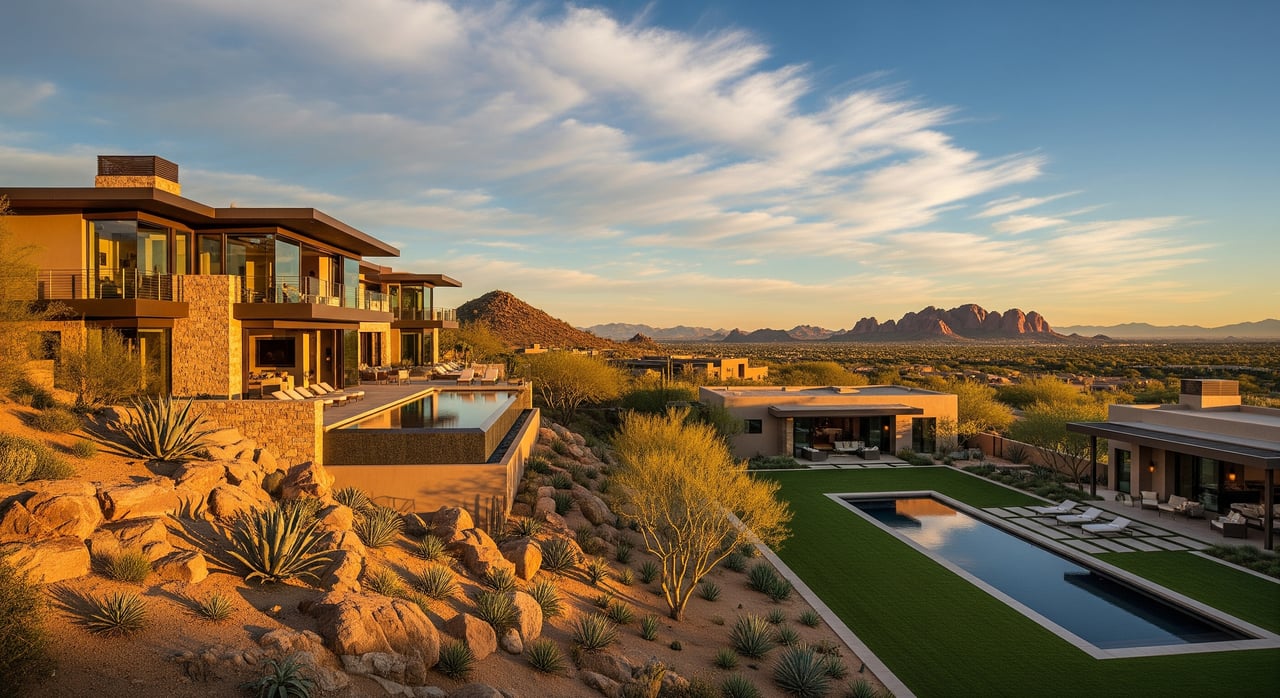
Is a jaw‑dropping mountainside view worth a steeper driveway and a longer build, or will a flat acre estate give you the usable space and flexibility you want? In Paradise Valley, your lot choice shapes daily life, construction complexity, and long‑term value more than any single design decision. You deserve a clear, local guide that lays out the tradeoffs so you can choose with confidence. This article compares mountainside and flat lots in Paradise Valley, covering build timelines, access, maintenance, risk, resale, and a simple decision framework tailored to high‑net‑worth buyers. Let’s dive in.
Paradise Valley lot types at a glance
Paradise Valley spans desert foothills and a level valley floor. That topography drives key differences in views, privacy, microclimate, access, and construction.
- Mountainside lots: Elevated panoramic views, stronger natural privacy, and dramatic architecture potential. Tradeoffs include more complex engineering, longer permitting and construction, and tighter access during and after the build.
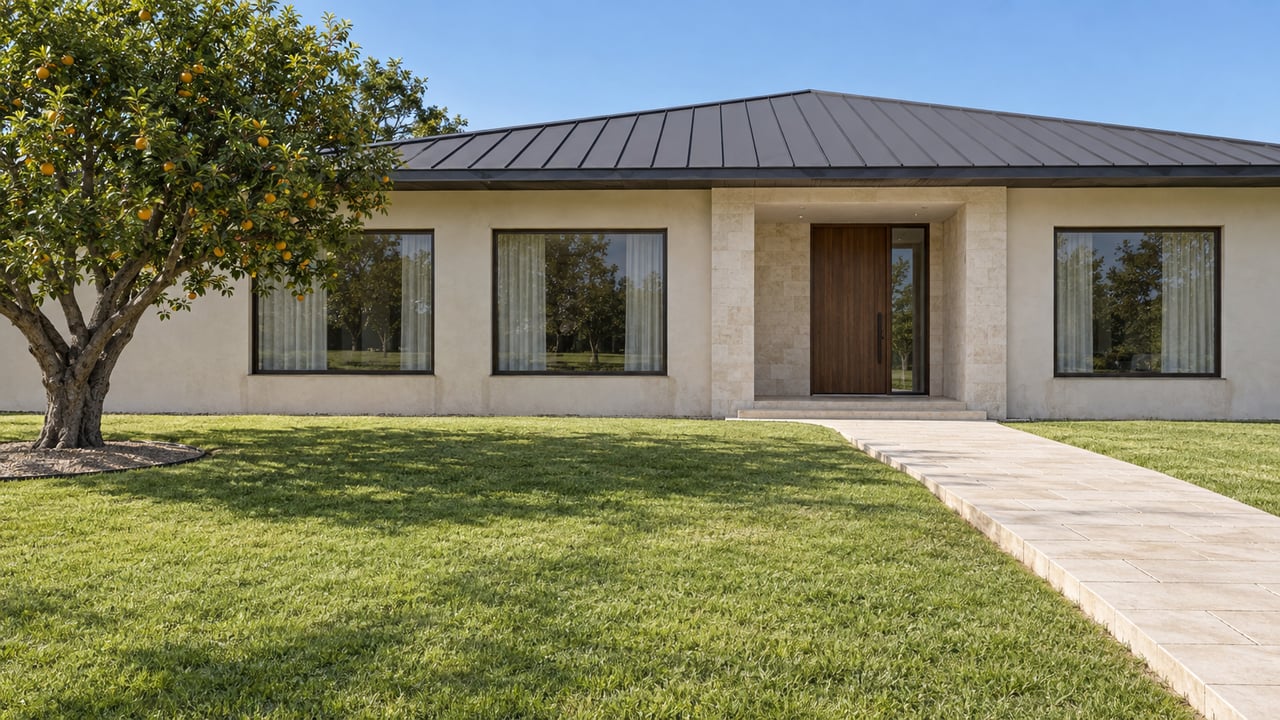
- Flat acre estates: Easier outdoor usability with big, level pads for pools, guesthouses, and sports courts. Tradeoffs include fewer sweeping, 180‑degree views and privacy that relies more on setbacks and landscaping.
Build complexity and timeline
Pre‑purchase due diligence
Before you write an offer on any Paradise Valley lot, verify the fundamentals. Request a geotechnical report, a current topographic survey, utility and easement maps, and a drainage or floodplain review. Ask a local architect and civil engineer to complete a preliminary site plan to confirm feasibility.
For mountainside sites, slope stability and rock conditions are critical. For flat lots, a soils report and compaction standards still matter, though the risk profile is usually lower.
Engineering and foundations
Mountainside builds often need custom foundations, such as piers or caissons, stepped footings, retaining walls, and specialized drainage to handle concentrated runoff. Rock excavation or blasting can be part of the plan. Flat estates more often use conventional slab‑on‑grade or basement systems with simpler stormwater patterns and fewer retaining walls.
Grading and site preparation
On mountainsides, expect cut‑and‑fill management, terracing, erosion control, and possible limits from hillside preservation rules or neighborhood design standards. Earthwork and hauling logistics can add time and coordination. On flat parcels, grading is more straightforward and supports large outdoor pads with less effort and cost.
Utilities and construction access
Mountainside utility runs may require special trenching or above‑grade solutions. Temporary roads or switchbacks for equipment are common. Flat lots typically offer easier utility tie‑ins and staging areas, which can shorten schedules and reduce disruption.
Permitting and review
Hillside projects can trigger added reviews for grading, geotechnical plans, and stormwater controls, which often extends the approval cycle. Flat parcels usually follow standard building permits with fewer specialized hurdles. Both must comply with Town of Paradise Valley building codes and any private deed restrictions.
Access and daily living
Views and privacy
Mountainside properties deliver elevated, often unobstructed city‑light and mountain vistas. Natural grade changes and rock outcrops can enhance privacy. Flat estates can achieve privacy through distance, fencing, berms, and mature landscaping. Views on flat lots depend on siting and surrounding development.
Outdoor living and usable area
A mountainside home often uses multi‑level floor plans with terraces and cantilevered features. The result can be stunning, though flat outdoor spaces may be more segmented and smaller. Pools, sport courts, and large lawns are possible, but they may need extensive terracing.
Flat estates shine when you want expansive single‑level outdoor living. Large terraces, full‑size courts, guest casitas, and lush landscaping come together more easily and often at lower sitework cost.
Driveway and service access
Mountainside driveways are commonly steeper and longer, sometimes with switchbacks or guardrails. This affects daily arrival, valet flow, and service vehicles. Flat lots allow flexible, circular drives and multiple garage approaches that simplify guest and vendor access.
Microclimate and solar
Elevation can bring more wind and different shade patterns. Slope aspect matters for passive cooling and solar gain on mountainside sites. Flat parcels allow predictable orientation for solar panels, pool exposure, and shade structures, which can ease design decisions.
Maintenance, long‑term costs, and risks
Routine maintenance
Mountainside ownership includes monitoring retaining walls, surface drains, slope vegetation, and rockfall protection. Irrigation on slopes may require pressure regulation and careful emitter choice. Flat estates focus on landscape, pool, and hardscape maintenance with fewer slope‑specific items.
Stormwater and erosion control
On mountainsides, concentrated runoff can create erosion or localized flooding if not properly managed. Engineered perimeter drainage and weep systems are essential. Flat lots still need stormwater detention or retention, but solutions are typically easier to implement on site.
Natural hazards and insurance
Mountainside parcels carry added exposure to slope instability or rockfall. Wildfire risk exists in brush and foothill areas across Arizona, so plan for defensible space and ignition‑resistant details. Insurance is usually available, but premiums and endorsements can vary with slope and wildfire exposure. Obtain quotes early from carriers familiar with Maricopa County.
Resale and marketability
Buyer demand patterns
In Paradise Valley’s luxury market, views and privacy command strong attention. Many buyers will accept higher acquisition and construction costs for a singular view or an iconic mountainside design. At the same time, large, well‑programmed flat estates attract buyers who value indoor‑outdoor living, guest accommodations, and easy entertaining.
Liquidity and comparables
Mountainside homes can be highly differentiated, which makes comparable sales harder to align. Resale can be exceptional when views and design are standout, but the buyer pool may be narrower. Flat acre estates often have clearer comps and broader appeal across the luxury segment.
Renovation and expansion
Expanding a mountainside home can be constrained by slope and existing structural systems. Adding large, flat amenities later may be costly. On flat parcels, additions and accessory structures are more straightforward and usually involve lower sitework complexity.
Decision framework tailored to you
Use this simple sequence to match a Paradise Valley lot to your goals.
- Step 1: Prioritize objectives. Rank what matters most, such as panoramic views, privacy, large single‑level outdoor space, timeline, risk tolerance, and budget flexibility for sitework.
- Step 2: Complete due diligence. Review geotechnical, topography, utilities, drainage, and any HOA or deed restrictions. Have a local architect complete a preliminary feasibility study.
- Step 3: Plan budget and contingencies. Include sitework allowances and geotechnical mitigation. For mountainside projects, expect a longer schedule and more owner oversight.
- Step 4: Assemble specialists early. Engage a local geotechnical engineer, civil/site engineer, architect with desert hillside experience, a landscape architect skilled in erosion control and low‑water palettes, and a general contractor with hillside credentials.
- Step 5: Simulate the lifestyle. Walk the site at different times of day. Check sun angles, wind, night views, privacy lines, and driveway approach. Test guest and service access with a mock drive.
Checklist before you write an offer
- Current geotechnical report, including slope stability if mountainside
- Topographic survey and confirmed property boundaries
- Utility maps and easement verification
- Drainage and floodplain findings for the parcel
- Zoning, lot coverage, and any neighborhood design standards
- Preliminary site plan by a local architect or engineer
- Early input from a builder with Paradise Valley mountainside or estate experience
- Insurance quotes that reflect slope and wildfire exposure if applicable
Which lot fits your goals?
Choose a mountainside lot if
- You want elevated, unobstructed views and strong natural privacy.
- You value dramatic architecture and are comfortable with a longer design and build timeline.
- You accept higher sitework complexity and potential access constraints.
- You plan a lifestyle that does not depend on large, contiguous flat lawns or courts.
Choose a flat estate if
- You want maximum usable outdoor area for pools, sport courts, and guest spaces.
- You prefer simpler logistics, from parking to service access.
- You want more flexibility to expand or reconfigure in the future.
- You prioritize faster approvals and more predictable construction.
Ready to compare specific properties?
The best decision happens on site, at the right time of day, with the right experts. We coordinate private, low‑profile previews of both mountainside and flat estates, including off‑market options, and bring in trusted engineers, architects, and builders to pressure‑test feasibility before you commit. If you want a discreet, experience‑first search designed around your goals, connect with The Hidder Team.
FAQs
Will a mountainside lot always cost more to build on in Paradise Valley?
- Typically yes. Hillside projects require specialized engineering, grading, and permitting, which usually increases costs compared with a similar home on a flat lot. The actual premium depends on slope, rock conditions, access, and design choices.
Can I get homeowners insurance for a mountainside property in Maricopa County?
- In most cases yes, but terms and premiums can vary with slope and wildfire exposure. Get quotes early from carriers experienced with local hillside properties.
How does slope affect a custom home timeline in Paradise Valley?
- Expect longer design and permit review periods, plus added construction time for staging, specialized trades, and mitigation work compared with a flat parcel.
Can a flat lot be private and still have views in Paradise Valley?
- You can create privacy with setbacks, berms, hardscape, and mature landscaping. Views depend on siting and surrounding development, and are less likely to match the expansiveness of elevated mountainside vistas.
Will future expansions be easier on a flat acre estate?
- Yes. Flat parcels generally make additions and accessory structures more straightforward, with lower sitework complexity.
Which specialists should I hire first when evaluating a mountainside site?
- Start with a local geotechnical engineer, a civil/site engineer, and an architect with desert hillside experience. Add a general contractor with hillside credentials and a landscape architect skilled in erosion control.