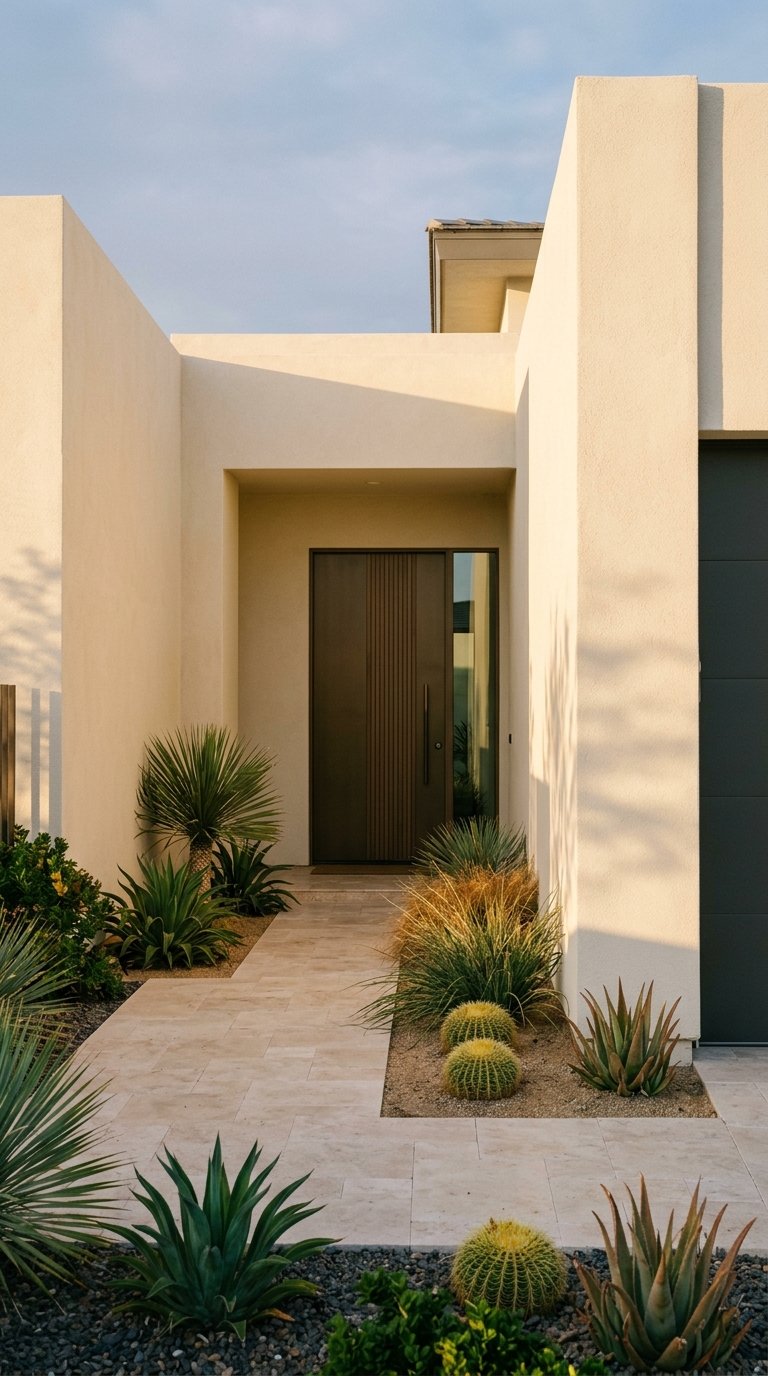
If you want a home in Phoenix that feels easy to own when you travel, the Biltmore area deserves a close look. For many buyers, the goal is not just style and location. It is finding a property that can sit comfortably while you are away, without adding a long list of maintenance worries. In this guide, you will learn what “lock-and-leave” really means in the Biltmore area, what home types deserve your attention, and which details matter most before you buy. Let’s dive in.
Why the Biltmore Area Fits Lock-and-Leave Living
The Biltmore corridor sits within Phoenix’s Camelback East Village, an area known for central convenience, varied housing, and a mix of older and newer residential options. The City of Phoenix also highlights landmark destinations such as the Arizona Biltmore and Wrigley Mansion, along with several five-star resorts in the village.
That setting helps explain the area’s appeal. If you want a home with a more polished, resort-oriented feel instead of a traditional suburban setup, the Biltmore area often checks that box. For buyers who split time between cities, travel often, or simply want less day-to-day upkeep, that can be a strong match.
What Lock-and-Leave Really Means
In Arizona, “lock-and-leave” is not a formal legal property type. It is a practical idea that usually means lower routine upkeep, more predictable maintenance responsibility, and enough access control that you can leave for extended periods with less concern.
That last part matters. A lock-and-leave home does not mean no responsibility at all. It usually means the property is structured so the association handles more of the exterior and shared upkeep, while you remain responsible for the inside of the home and certain unit-level systems.
Why Listing Labels Are Not Enough
One of the biggest mistakes buyers make is trusting the label in the listing. In Arizona, a condo, townhome, or patio-home-style property may function very differently depending on the recorded declaration and the HOA structure.
Arizona law defines condominiums by separate ownership of the unit plus common ownership of the remainder. Planned communities are defined by mandatory association membership and assessments for managed common property. Because Arizona does not create a separate patio-home legal category, you need to verify the governing documents and CC&Rs instead of relying on the marketing description alone.
Comparing Condos, Townhomes, and Patio Homes
Condos and the Lowest Exterior Burden
For many Biltmore buyers, condos offer the most maintenance-light option. In general, the owner is responsible mainly for the interior unit, while the association handles common elements and shared infrastructure.
That structure can make condos especially attractive if you travel often or plan to live in the home part-time. In the Biltmore area, examples such as Biltmore Terrace and Optima Biltmore Towers show the type of features many lock-and-leave buyers prioritize, including gated access, security systems, package handling, fitness amenities, on-site management, secure parking, concierge-style services, and shared recreational spaces.
The tradeoff is that condos place a lot of importance on association performance. When the HOA carries a larger maintenance load, you need to review the budget, financials, reserve information, and any litigation disclosures carefully.
Townhomes and a House-Like Feel
Townhomes often appeal to buyers who want more space and a more traditional home layout without taking on the full burden of single-family upkeep. In the Biltmore corridor, communities such as Novella at Biltmore and PATIO 71 illustrate why this option gets attention, with features like attached garages, gated access, private yards, guest parking, pools, fitness areas, and convenient access to major routes.
Still, the key question is not whether the property is called a townhome. The real question is who maintains the roof, stucco, exterior walls, drainage, and landscaping. Depending on the legal structure, a townhome may operate more like a condominium or more like a planned community, and that difference can shape your long-term costs and responsibilities.
Patio Homes and the Importance of the Documents
Patio home is mostly a market term. Buyers often use it to describe smaller, lower-maintenance homes with compact lots, shared walls, or private patios and courtyards.
These homes can be a strong fit if you want a little more privacy than a typical condo but still hope to avoid heavy exterior work. At the same time, patio-home-style properties vary widely. Some give you more control over the lot and exterior, while others place more of that responsibility with the association. That is why the documents matter more than the label.
What to Check Before You Buy
Confirm the HOA Maintenance Scope
If your goal is easy ownership, start with the maintenance boundaries. Ask whether the HOA covers landscaping, roof maintenance, exterior walls, drainage, and common-area care.
This step is essential because the term “low-maintenance” can mean very different things from one community to another. A home may look ideal on paper but still leave you responsible for important exterior components.
Review Security and Access Details
For many Biltmore buyers, practical security matters as much as design. Ask about gates, controlled entry, security cards, patrols, monitored access, package handling, guest procedures, and whether there is on-site management or an emergency contact line.
Examples in the area show how much these details can vary. Biltmore Terrace, for instance, uses gated access tools, security-card access for select amenities, overnight parking controls, and a smart-locker package system. Novella at Biltmore advertises private gated access, guest parking, and video doorbells.
Understand Parking and Storage
If you travel often, parking and storage quickly become more than convenience features. Secure underground parking, attached garages, guest parking, bike storage, and package rooms can make day-to-day ownership much easier.
These details also affect how seamless the property feels when you arrive and leave. A well-designed lock-and-leave setup should reduce friction, not add it.
Check HOA Financial Health
A property is only as easy to own as its association is prepared to maintain it. Before you get comfortable with the lock-and-leave idea, review the annual financial report, budget, reserve study if one exists, and any pending litigation information.
Arizona resale-disclosure laws require buyers in condos and planned communities to receive key association documents, including governing documents, current budget information, annual financials, reserve study information if available, and litigation summaries. Those disclosures are particularly important when the HOA carries a large share of the maintenance burden.
Ask About Use Restrictions
Lifestyle rules can affect whether a property truly works for you. Review minimum lease terms, pet rules, guest and visitor procedures, and vehicle-registration policies before you move forward.
These may sound minor at first, but they can have a real impact on seasonal ownership or part-time use. The right property should fit both your travel patterns and your day-to-day preferences.
New Construction vs. Resale Due Diligence
If you are considering new construction, Arizona requires a Public Report before you sign the purchase contract. According to the Arizona Department of Real Estate, that report covers topics such as flooding and drainage, adjacent land uses, utilities, common facilities, taxes and assessments, and HOA details.
If you are buying a resale condo or planned community property, the disclosure process looks different. Arizona statutes require the association disclosure packet to be delivered within 10 days after notice of a pending sale, and the packet must include core financial and governance materials buyers need to review.
Remember What Still Stays on You
Even in a well-run lock-and-leave property, some responsibilities stay with the owner. In condos, Arizona law generally places common-element maintenance on the association and unit maintenance on the owner.
Real-world examples reinforce that point. Biltmore Terrace states that A/C units are owner responsibility, pipes serving only one unit are the owner’s responsibility, and owners away for extended periods should have someone check on the unit periodically. In other words, lock-and-leave means reduced exposure to routine exterior upkeep, not total detachment from the property.
Insurance is part of that picture too. Condo and townhouse insurance structures can differ depending on the community and master-policy setup, so you will want to understand where the association’s coverage ends and your personal policy begins.
A Smart Buyer Checklist for 85016
If you are narrowing your search in the Biltmore area, keep this checklist in front of you:
- Confirm whether the HOA covers landscaping, roof, exterior walls, drainage, and common-area maintenance
- Ask about gates, access controls, patrols, concierge services, package storage, and guest procedures
- Review parking options, attached garages, underground parking, and storage features
- Read the HOA budget, annual financials, reserve information, and litigation summary
- Verify lease rules, visitor policies, pet rules, and vehicle requirements
- Identify which systems remain your responsibility, including unit-specific plumbing or HVAC where applicable
- Review the recorded declaration, bylaws, and CC&Rs instead of relying on the listing label
The Bottom Line for Biltmore Buyers
In the Biltmore corridor, the strongest lock-and-leave options are often HOA-run condos and townhomes with controlled access, useful amenities, and clearly defined maintenance boundaries. What matters most is not the wording in the listing. It is the way the property is legally structured, how well the association is run, and how much of the upkeep burden stays off your plate.
If you want a home that supports travel, seasonal living, or simply a more streamlined ownership experience, careful due diligence can help you find the right fit. That is especially true in a market like 85016, where location, building style, and association structure can vary significantly from one property to the next.
For buyers who value privacy, efficiency, and a more curated search, guidance matters. The Hidder Team. offers a discreet, concierge-level approach for buyers seeking the right Biltmore-area property with clarity and confidence.
FAQs
What does lock-and-leave mean for a home in the Biltmore area?
- It usually means a property with lower routine upkeep, clearer maintenance responsibility, and enough access control that you can be away for longer periods with less concern.
Are condos the best lock-and-leave option in 85016?
- Condos often provide the lowest exterior maintenance burden because the association typically handles common elements, but the right choice depends on the governing documents and HOA performance.
How can you tell if a Biltmore townhome is truly low-maintenance?
- You need to confirm who maintains the roof, exterior walls, drainage, landscaping, and other shared components rather than relying on the townhome label alone.
What HOA documents should you review when buying in Arizona?
- For resale condos and planned communities, buyers should review the declaration, bylaws, budget, annual financial report, reserve study if available, and litigation summary.
What responsibilities still belong to the owner in a lock-and-leave property?
- Owners are often still responsible for the interior of the unit and certain unit-level systems, such as HVAC or plumbing that serves only that home.
Why is the Biltmore area popular for lock-and-leave buyers?
- The area offers a central Phoenix location, a resort-oriented feel, and housing options that can align well with buyers seeking easier ownership and stronger access control.