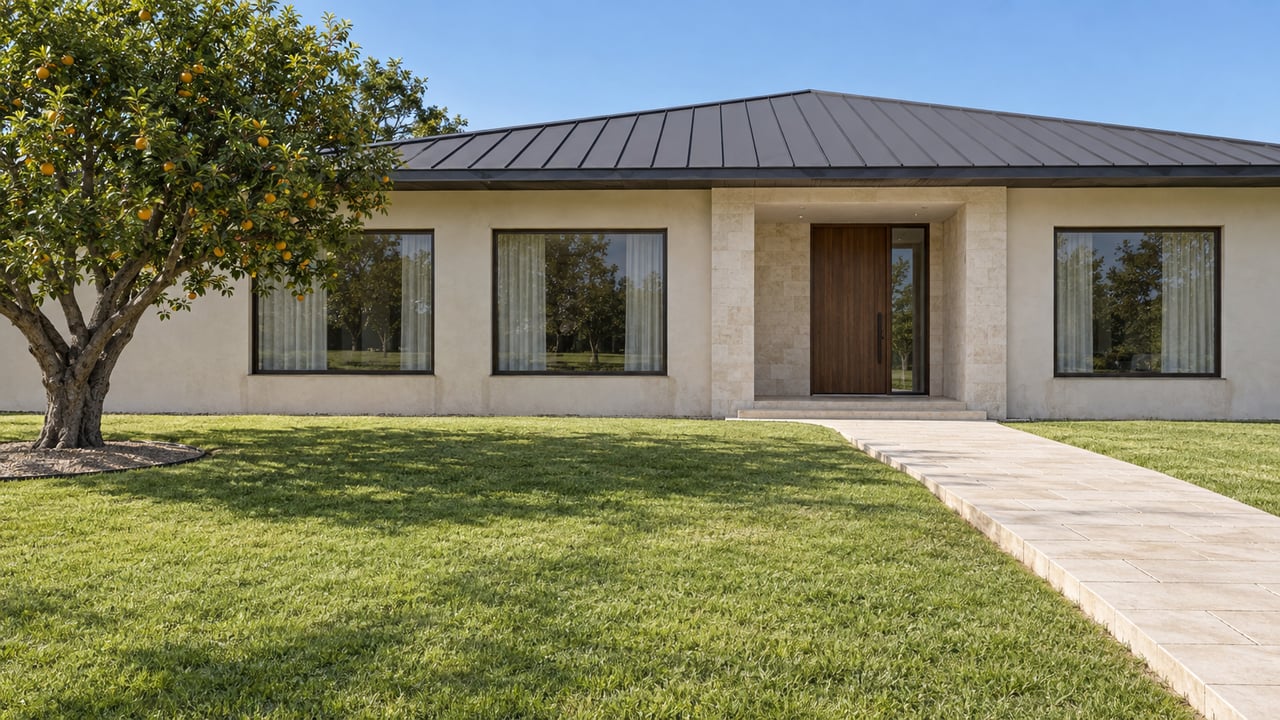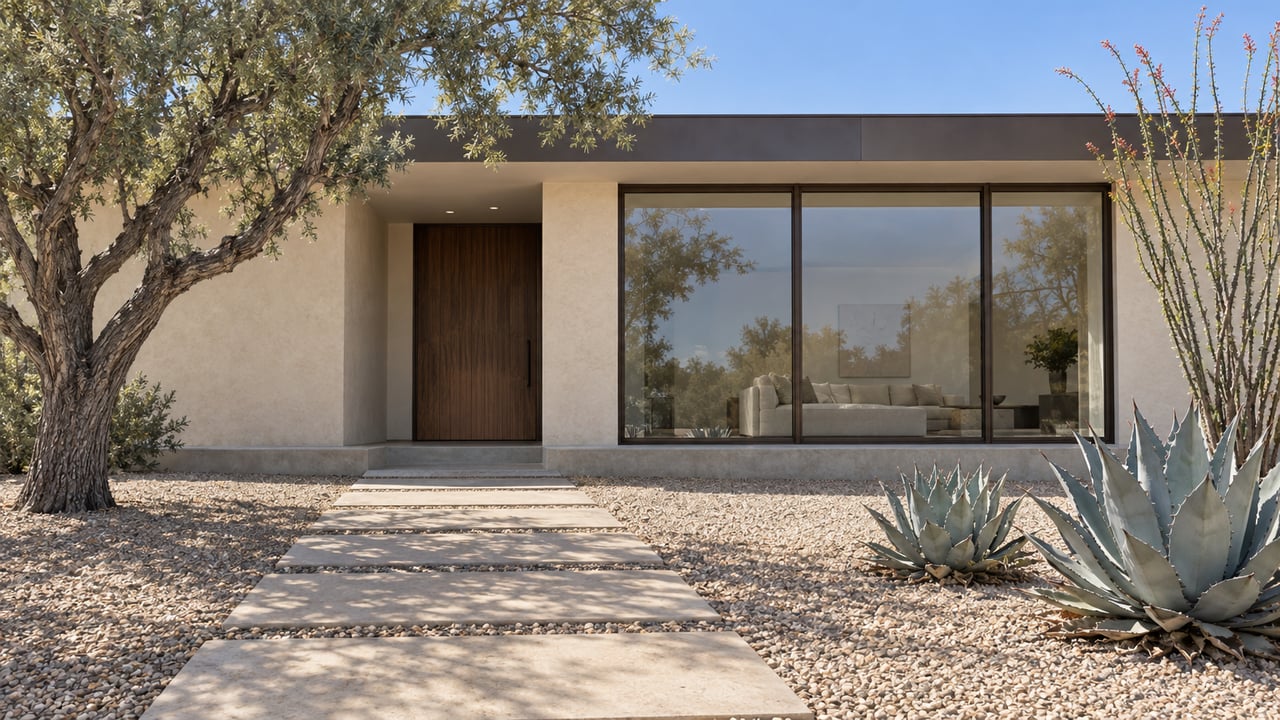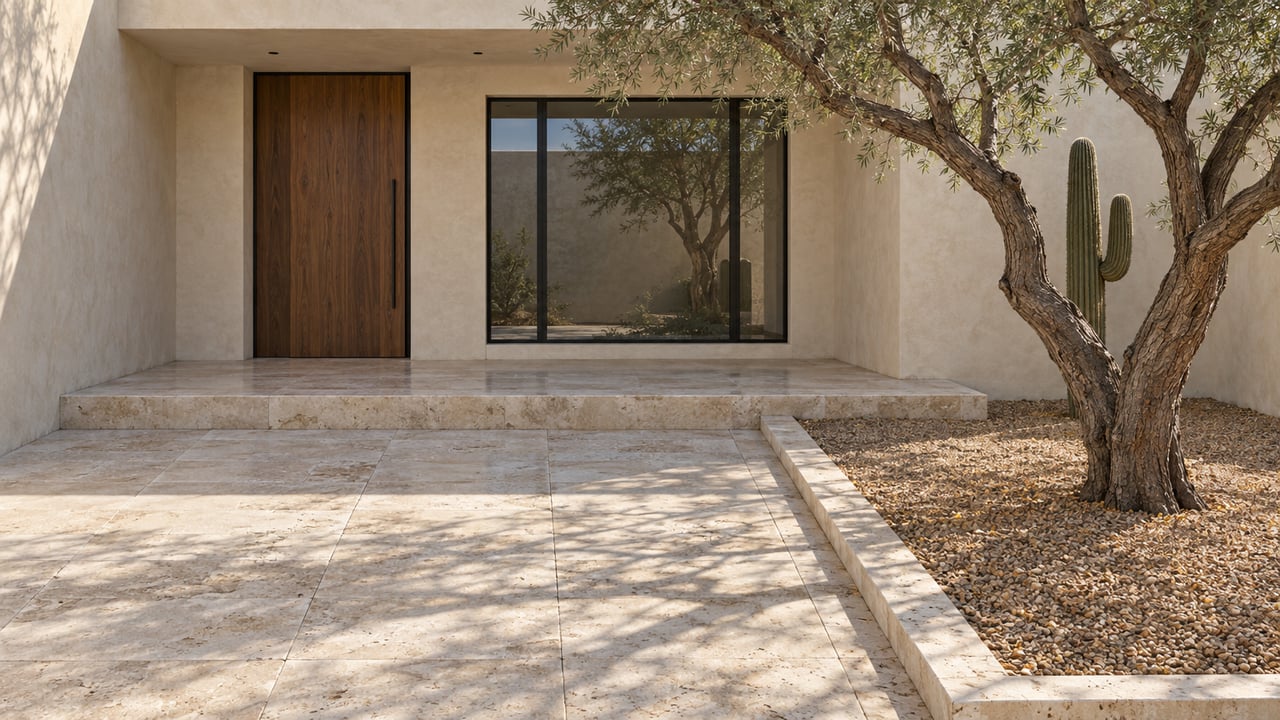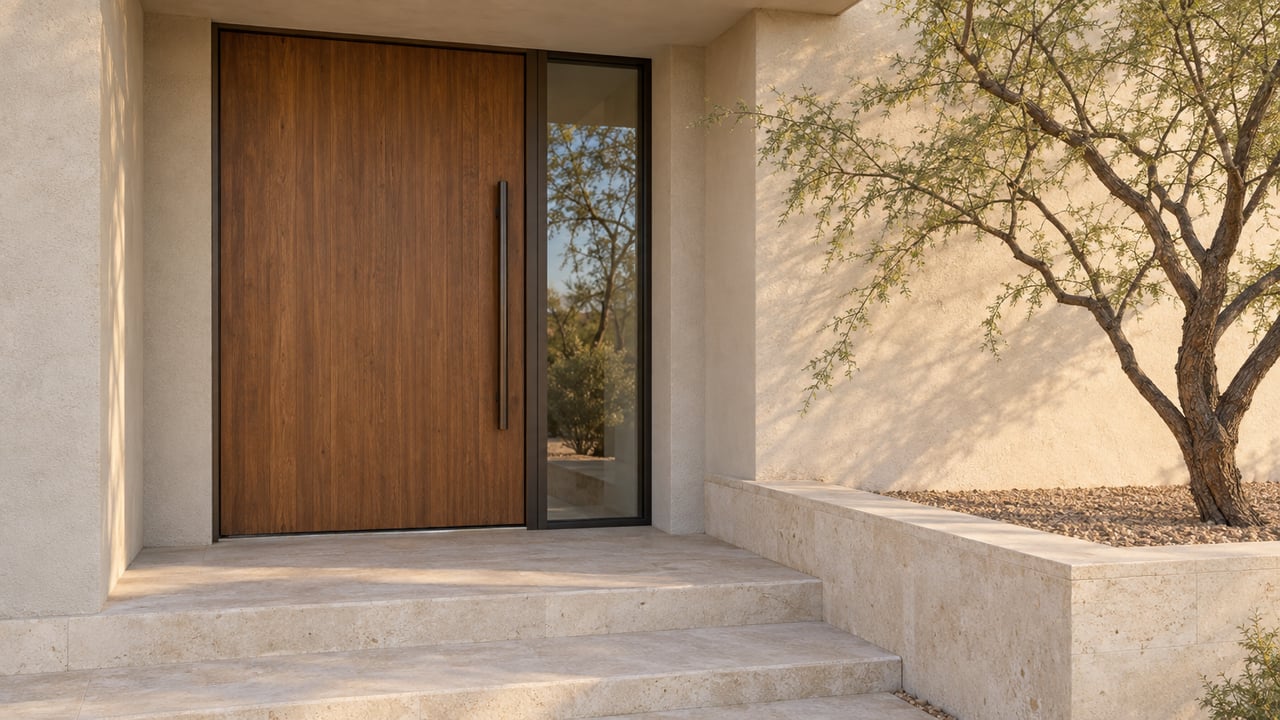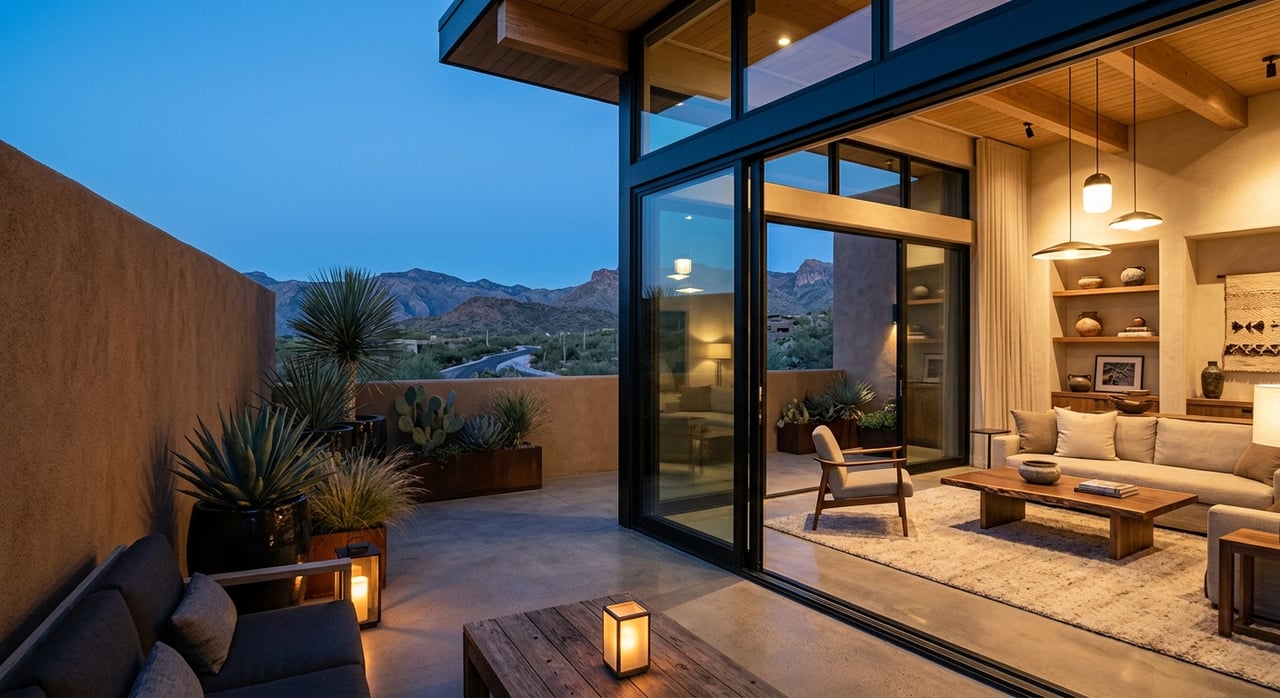
If you split your time between Phoenix and other cities, the wrong home can turn convenience into a chore fast. A beautiful property is only part of the equation when you want low upkeep, easy lock-and-leave living, and confidence while you are away. This guide will help you compare a luxury condo and a lock-and-leave home in Phoenix so you can focus on the details that truly matter. Let’s dive in.
Start With Ownership Structure
The first question is not condo versus house in the abstract. It is what you are actually buying and what responsibilities come with it.
In Arizona, a condominium includes your unit plus a shared ownership structure governed by an association. State law says the association is responsible for maintenance, repair, and replacement of the common elements, while the unit owner is responsible for the unit itself unless the declaration says otherwise. That means your day-to-day experience depends heavily on the condominium documents, not just the floor plan or building aesthetic.
A lock-and-leave home is usually a lifestyle label, not a legal property type. In Arizona, many detached low-maintenance homes are part of a planned community, where membership is mandatory and assessments support management, maintenance, or improvement of shared property or roadways. In practice, that means a detached home can still come with meaningful HOA rules, fees, and maintenance obligations.
What a Luxury Condo Offers
A luxury condo can make sense if you want a more centralized ownership experience. Many buyers are drawn to the simplified exterior maintenance, shared amenities, and building-level management structure.
That setup can be especially appealing if you travel often or want a property that is easier to leave unattended. In many cases, the association is handling major common-area issues, which can reduce the number of moving parts you personally need to manage.
Condo Advantages to Weigh
- Less exterior upkeep for you to coordinate
- Shared amenities may be part of the ownership experience
- Centralized management structure
- Often a practical fit for seasonal or part-time use
Condo Trade-Offs to Expect
- Less privacy than a detached home
- More direct exposure to board decisions and building rules
- Parking, guest use, pets, or rental policies may be more restrictive
- Your ownership costs and resale can be influenced by building finances and governance
What a Lock-and-Leave Home Offers
A lock-and-leave home usually appeals to buyers who want more privacy and a more residential feel without taking on the full burden of a large estate. You may also get more outdoor space and more control over how the property feels day to day.
That said, detached does not automatically mean carefree. In a planned community, the HOA may still control key aspects of maintenance, use, and property standards, and the recorded documents determine where the association’s duties stop and yours begin.
Lock-and-Leave Home Advantages
- More privacy than a typical condo setting
- Usually more separation from neighbors
- Often more outdoor space
- Greater sense of individual property control
Lock-and-Leave Home Trade-Offs
- Exterior and systems oversight may still fall more heavily on you
- HOA obligations can still be substantial
- Maintenance convenience varies widely by community
- Travel-friendly ownership depends on the exact rules and services in place
Phoenix Heat Changes the Decision
Phoenix is not a market where you can treat low-maintenance ownership casually. Heat is a real ownership factor, especially if you plan to leave the property vacant for weeks or months.
The National Weather Service says heat is the deadliest weather in Arizona. NOAA climate normals for Phoenix Sky Harbor show average highs of 104.2°F in June, 106.5°F in July, and 105.1°F in August, with roughly 24.6, 28.5, and 27.1 days at 100°F or hotter in those months.
For absentee owners, that raises practical questions that matter in both condos and detached homes. HVAC reliability, water intrusion monitoring, and emergency access should all move to the top of your checklist.
Questions to Ask for Phoenix Ownership
- How is HVAC service handled if you are out of town?
- Who can access the property in an emergency?
- Are there systems or protocols for detecting leaks or water intrusion?
- How easy is it to leave the home unattended during peak summer heat?
- What part of the structure or building systems is maintained by the HOA?
Insurance and Maintenance Matter More Than Buyers Expect
Many buyers assume low-maintenance living is simple. In reality, the most important details are usually hidden in the maintenance split and insurance structure.
For condominiums in Arizona, the association is required to maintain property insurance on the common elements and, if the condominium documents require it, on the units as well. State law also addresses a unit owner’s responsibility for association deductibles, which means you need a clear understanding of the master policy before you buy.
That same principle applies to detached homes in planned communities. Even if a home is marketed as lock-and-leave, you should confirm exactly what the HOA maintains, what insurance applies at the association level, and what still falls to you as the owner.
Resale Depends on More Than the Floor Plan
A balanced market puts more attention on details that buyers sometimes overlook in faster conditions. Realtor.com described Phoenix as a balanced market in February 2026, which suggests that property condition, HOA finances, and building quality can play a meaningful role in resale comparisons.
In other words, two properties with similar price points can perform very differently depending on how well the community is run. Buyers and future buyers tend to notice deferred maintenance, weak reserves, recurring special assessments, and governance issues.
Why Governance Affects Long-Term Value
Arizona requires open meetings and advance notice and agendas for condominium and planned-community boards. That gives you an opportunity to learn how a community operates by reviewing minutes, recordings, or attending a meeting before purchase.
In the luxury market, governance culture can influence both ownership experience and resale strength. A well-run association with clear communication and disciplined financial management often feels very different from one that is reactive or disorganized.
Due Diligence Is the Real Decision Maker
If you are choosing between a Phoenix luxury condo and a lock-and-leave home, the smartest move is to compare the actual documents and operating realities of each option. The right answer usually comes from the fine print, not the marketing label.
Arizona resale disclosure rules require core documents to be provided within 10 days of notice of a pending sale for both condominiums and planned communities. Those documents include the bylaws, declaration, current assessment information, operating budget, most recent annual financial report, reserve study if any, a litigation summary, and an insurance statement. The association may charge up to $400 in aggregate for those transfer-related services.
That package can tell you a great deal about the true ownership experience. It can also help you avoid surprises after closing.
Your Phoenix HOA Review Checklist
- What exactly does the HOA maintain?
- What remains your responsibility as the owner?
- Is there a current reserve study?
- Are any special assessments planned?
- What does the master insurance policy cover?
- What deductibles could affect you?
- Are there rental caps, pet rules, parking limits, guest restrictions, or age restrictions?
- Are there delinquency issues that could signal financial stress?
- What do recent board minutes suggest about management style and upcoming projects?
Which Option Fits Your Lifestyle Best?
A luxury condo may be the better fit if you want a highly managed environment, shared amenities, and less exterior responsibility. It can be a smart choice when convenience and simplified oversight matter more than privacy or yard space.
A lock-and-leave home may be the better fit if you want more separation, a more independent property feel, and outdoor space without stepping up to a large estate. It often works well for buyers who value privacy and flexibility but still want some HOA-supported structure.
The key is to compare specific properties, not broad categories. In Phoenix, the better choice is usually the one with the stronger maintenance split, better governance, clearer insurance framework, and a setup that supports the way you actually live and travel.
If you want a discreet, informed comparison of Phoenix luxury condos and lock-and-leave homes, The Hidder Team. can help you evaluate the details that matter before you commit.
FAQs
What is the difference between a condo and a lock-and-leave home in Phoenix?
- In Phoenix, a condo is a legal ownership structure governed by condominium documents and an association, while a lock-and-leave home is usually a lifestyle term, often for a detached home in a planned community with HOA obligations.
What should you review before buying a Phoenix luxury condo?
- You should review the declaration, bylaws, budget, financial report, reserve study if available, insurance statement, assessment details, litigation summary, and any rules that affect day-to-day use.
Why does Phoenix heat matter for seasonal homeowners?
- Phoenix heat matters because extended periods of extreme temperatures can increase the importance of HVAC reliability, leak monitoring, and emergency access when a property is left unattended.
Can a detached lock-and-leave home in Phoenix still have HOA rules?
- Yes. Many detached lock-and-leave homes are in planned communities where membership is mandatory and assessments and community rules may apply.
What HOA risks should buyers watch for in Phoenix communities?
- Buyers should pay close attention to reserve strength, planned special assessments, insurance coverage, delinquency issues, maintenance responsibilities, and the overall governance culture reflected in board materials.
Is a luxury condo or lock-and-leave home better for resale in Phoenix?
- The better resale option often depends less on property type and more on building quality, community finances, maintenance condition, insurance structure, and how well the HOA is managed.