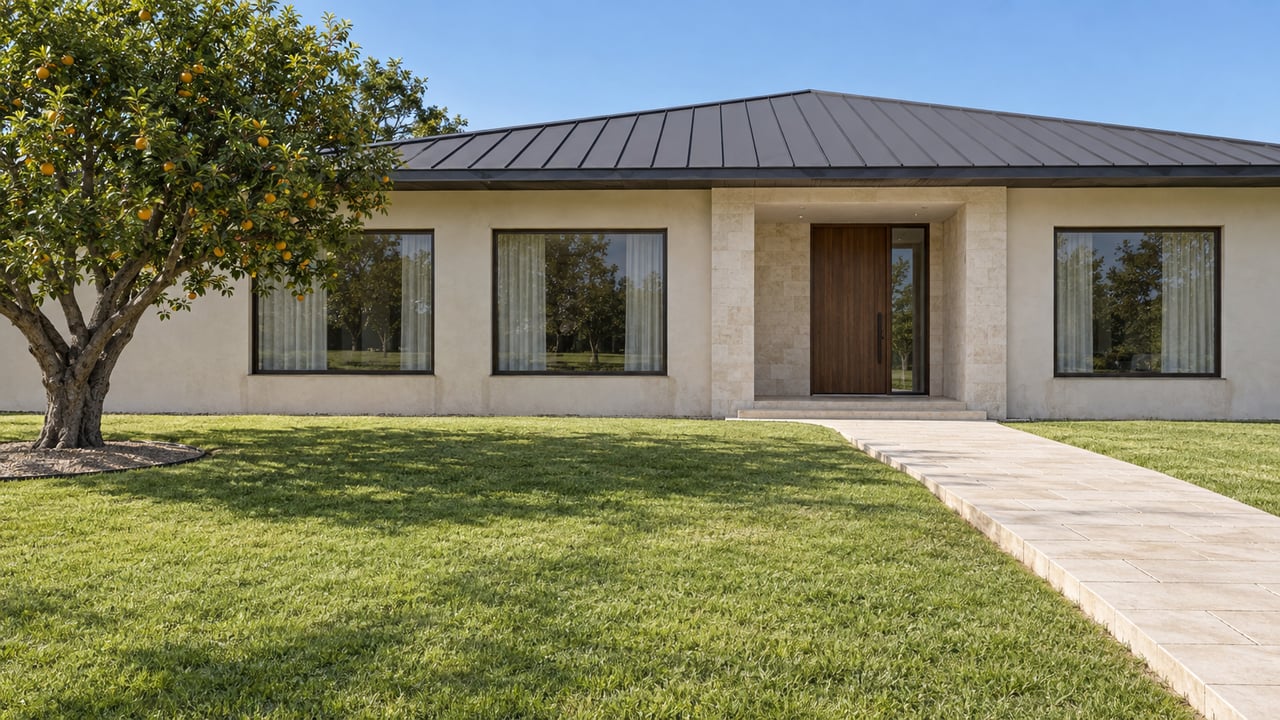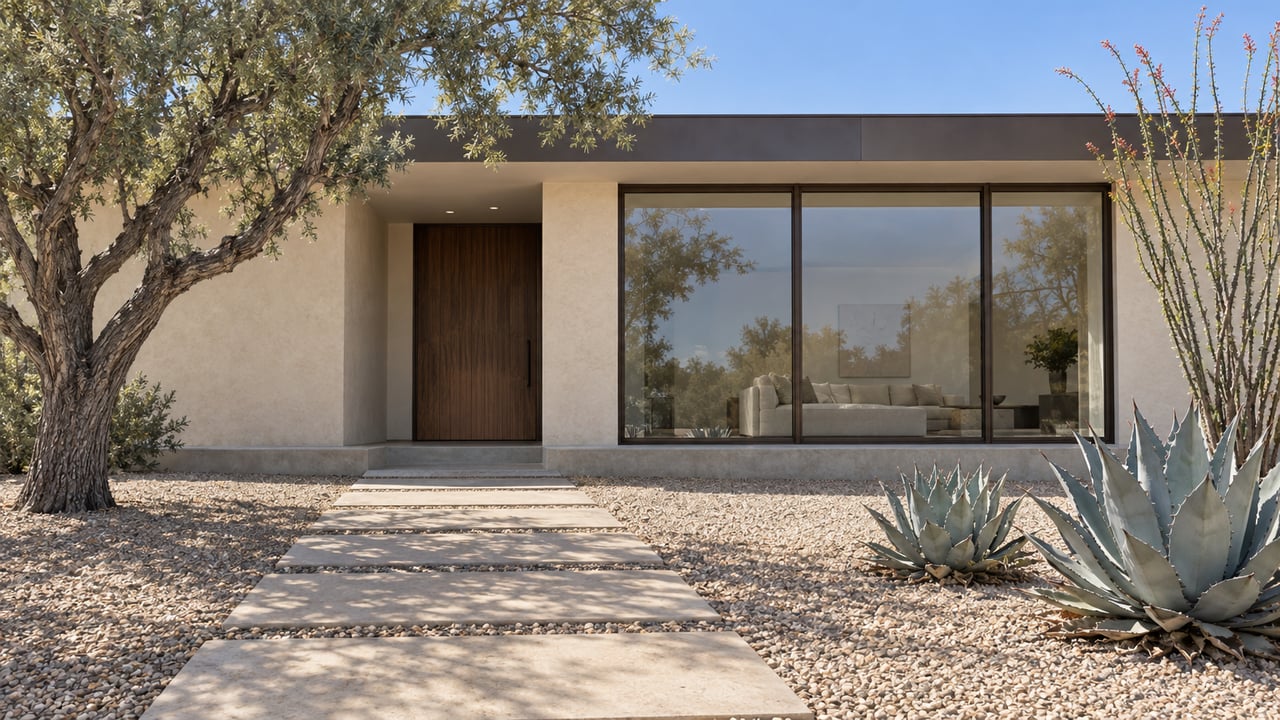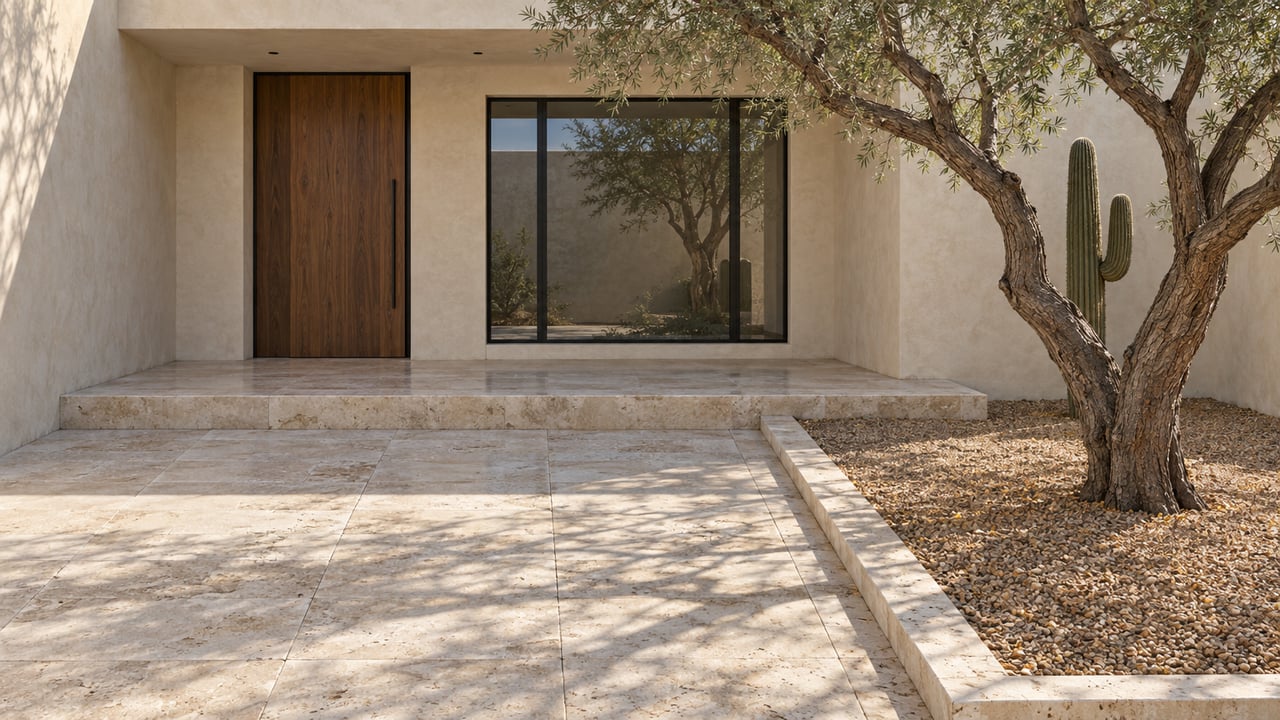
Two buyers are comparing the same kind of home: four bedrooms, a pool, roughly 2,800 square feet, priced within $20,000 of each other. One sits in McDowell Mountain Ranch. The other sits a few miles south in an older Scottsdale neighborhood. The listing sheets look identical. The county tax bills don't.
The difference is a line most buyers never ask about until their lender or title company flags it during underwriting: a Community Facilities District assessment. It's a real, government-authorized secondary property tax, separate from the HOA dues, and it exists because of how McDowell Mountain Ranch was built in the first place.
What a Community Facilities District Actually Is
Arizona law lets a master-planned community form its own taxing district to finance the roads, water lines, and public amenities that come before the first house is sold. McDowell Mountain Ranch did exactly this, forming its Community Facilities District in 1994. DC Ranch followed in 1997. Both districts function as separate political subdivisions with the power to levy taxes and issue bonds independent of the City of Scottsdale, even though the Scottsdale City Council sits as each district's board of directors.
The money didn't disappear into general city coffers. McDowell Mountain Ranch's district used its bond proceeds to complete Thompson Peak Parkway and to install the water and sewer infrastructure the development needed before homes could be occupied, according to the city's own district page. DC Ranch's district funded a different category of amenity: parks, paths, trails, roads, and athletic fields that later became the community's daily infrastructure, per Scottsdale's DC Ranch CFD page.
Neither district owns or operates what it builds. Once construction wraps, the improvements get dedicated to the city, and one of each district's remaining jobs is collecting enough tax revenue to pay off the bonds that financed the work in the first place.
The Rate Has Been Falling for Years
Because the tax exists to service a shrinking pile of debt, the rate moves with the bond schedule, not with home values. McDowell Mountain Ranch's district set its rate at $0.7800 per $100 of assessed valuation for the 2014-2015 fiscal year, according to the district's resolution. By fiscal year 2021-2022, that rate had fallen to $0.5661 per $100, a decline the district's own budget resolution attributes directly to bond amortization, according to the district's resolution.
DC Ranch's numbers tell the same story on a faster timeline. The district set its rate at $0.5619 per $100 for fiscal year 2014-2015, according to the district's resolution, then dropped it to $0.4757 per $100 the following year, a one-year decrease the board's resolution ties to the same mechanic: less debt outstanding, less levy required to service it, according to the board's resolution.
| District | Formed | Funded | Rate Example | Later Rate |
|---|---|---|---|---|
| McDowell Mountain Ranch CFD | 1994 | Thompson Peak Parkway, water and sewer lines | $0.7800/$100 (FY 2014-15) | $0.5661/$100 (FY 2021-22) |
| DC Ranch CFD | 1997 | Parks, paths, trails, roads, athletic fields | $0.5619/$100 (FY 2014-15) | $0.4757/$100 (FY 2015-16) |
Every one of these resolutions includes the same disclosure language: the project development agreement fully discloses this tax to all future purchasers of property in the district, according to the district's resolution. That's true. It's also buried in paperwork most buyers sign without reading line by line, which is exactly why the rate feels like a surprise the first time someone actually opens their Maricopa County tax statement.
Why the Tax Might Outlive the Debt
Here's the part that a simple median-price comparison across these communities will never surface. The declining-rate pattern makes it easy to assume the tax eventually zeroes out once the original bonds are retired. DC Ranch's own recent history suggests that assumption doesn't always hold.
A Scottsdale city auditor's report dated March 19, 2025 examined a proposed maintenance fee for the DC Ranch district, structured as an ongoing tax levy of $0.30 per $100 of secondary assessed valuation, aimed specifically at funding continued upkeep of the paths and trails the original bonds paid to build. The logic is straightforward: infrastructure doesn't stop needing maintenance just because the construction debt is paid off, and someone has to keep funding that work. The same audit flagged some rough edges in how the proposal was assembled, including reported water billings that weren't actually tied to district paths and trails, a review that shows these districts remain active public bodies with ongoing oversight rather than a one-time closing disclosure that fades into the background.
Read the full audit at Scottsdale's public auditor's office site if you want the underlying detail.
The takeaway for a buyer isn't that this fee has been finalized. It's that the bond-paydown story, the one that makes it easy to assume the tax line eventually disappears, isn't the whole story. A district can retire its construction debt and still vote in a new, indefinite assessment to keep funding the amenities that debt originally built. The tax line survives the thing it was created to pay for.
What to Ask Before You Compare Two Homes
None of this means McDowell Mountain Ranch or DC Ranch cost more to own in some meaningful way that outweighs their amenities. Thompson Peak Parkway, the trail network, the parks: those exist because someone financed them, and the district structure is simply the mechanism Arizona law provides for spreading that cost across the property owners who benefit from it directly rather than the broader city tax base.
What it does mean is that a buyer stacking two listings side by side, one in a CFD community and one in a neighborhood built before this financing tool came into common use, is looking at two different tax pictures that a sale price alone won't reveal. Before comparing the real cost of two homes in this part of North Scottsdale, it's worth asking your title company or lender three specific questions:
- What is the current CFD secondary tax rate for this specific property, and which fiscal year does that number reflect
- What is the bond payoff timeline for the district, and has the board discussed any successor fee once the bonds retire
- Does the project development agreement on file for this property disclose anything beyond the standard district assessment
Those three questions turn a line item that most buyers discover by accident into one they've already priced into their offer.
Common Questions
Does every Scottsdale master-planned community have a Community Facilities District? No. The financing structure came into common use in Arizona in the 1990s, which is when McDowell Mountain Ranch and DC Ranch formed theirs. Communities platted before that wave typically don't carry this second tax line because the tool didn't exist in its current form when they were built.
Is the CFD tax the same as HOA dues? No. HOA dues fund private community management and amenities controlled by a homeowners association. A CFD tax is a government levy authorized under Arizona law to service public bond debt, collected the same way as any other property tax, and it appears on the county tax bill rather than a separate HOA invoice.
Where can I check the current rate for a specific property? Scottsdale publishes each district's budget and tax levy resolutions on its finance department site, including the annual financial reports for McDowell Mountain Ranch and DC Ranch. A title company can also pull the exact current levy as part of a standard title search before closing.
Buying in a community with this kind of financing history isn't a reason to hesitate. It's a reason to ask the right question before you're comparing two offers with two very different tax pictures hiding behind identical sale prices. If you're weighing a move into McDowell Mountain Ranch, DC Ranch, or any of the master-planned communities across North Scottsdale, Gregory Hidder + TEAM can walk you through the actual district status on a specific property before you write an offer, not after you're already in escrow.
This article is general information, not legal, tax or financial advice. Consult a qualified professional about your situation.